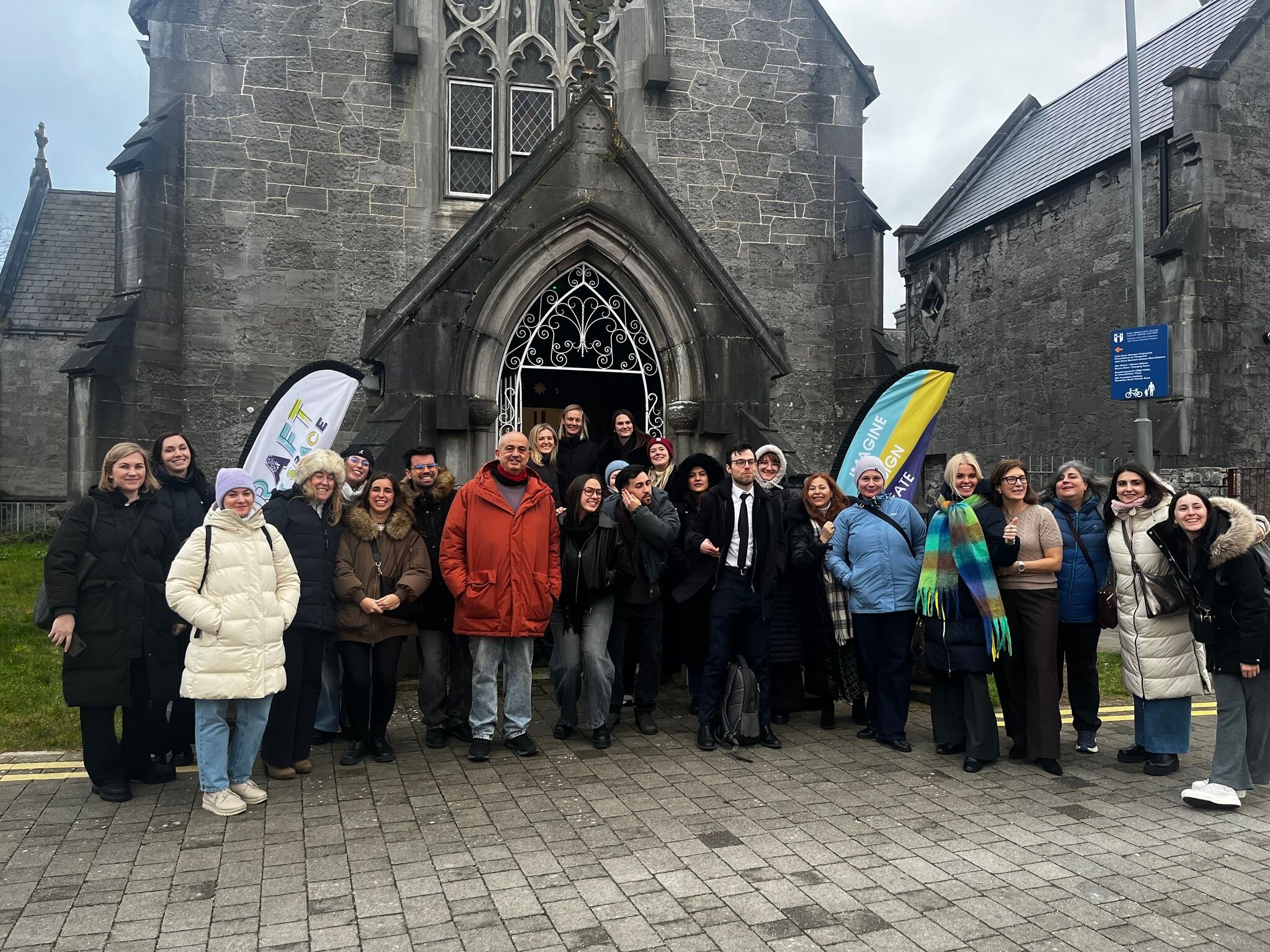
The IDEAL Futures Teacher Academy successfully delivered an international study visit in Limerick, Ireland, bringing together teachers and education professionals from Latvia, Ireland, and Spain to explore digital pedagogies and open leadership for an IDEAL digital future.
Hosted by Mary Immaculate College, the study visit formed a key transnational mobility activity within the project, supporting teachers in developing leadership competencies for digital teaching and learning in school contexts.
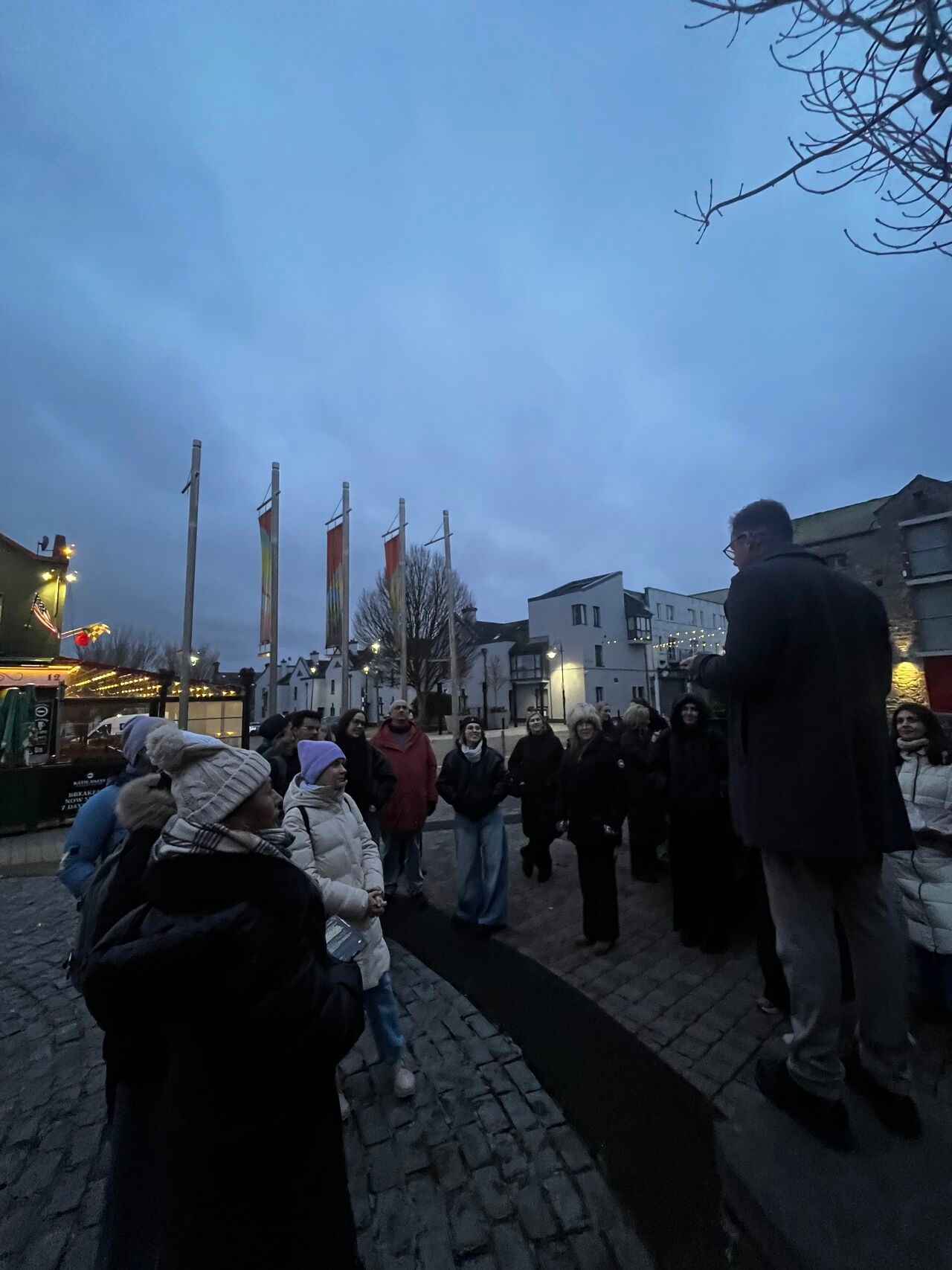
The programme opened with welcome and networking activities at Mary Immaculate College, followed by an exploration of innovative digital learning environments, including MIC Craft SPACE. Participants also engaged in reflective and cultural activities in Limerick, strengthening professional relationships across partner countries.
The visit followed a structured learning model that combined preparation, on-site engagement, and reflection. Before arrival, participants engaged with formal learning materials and collaborative reflective tasks. During the visit, they took part in expert-led sessions, peer learning, and hands-on co-design activities focused on the effective integration of digital technologies, including artificial intelligence, into teaching and assessment practices.
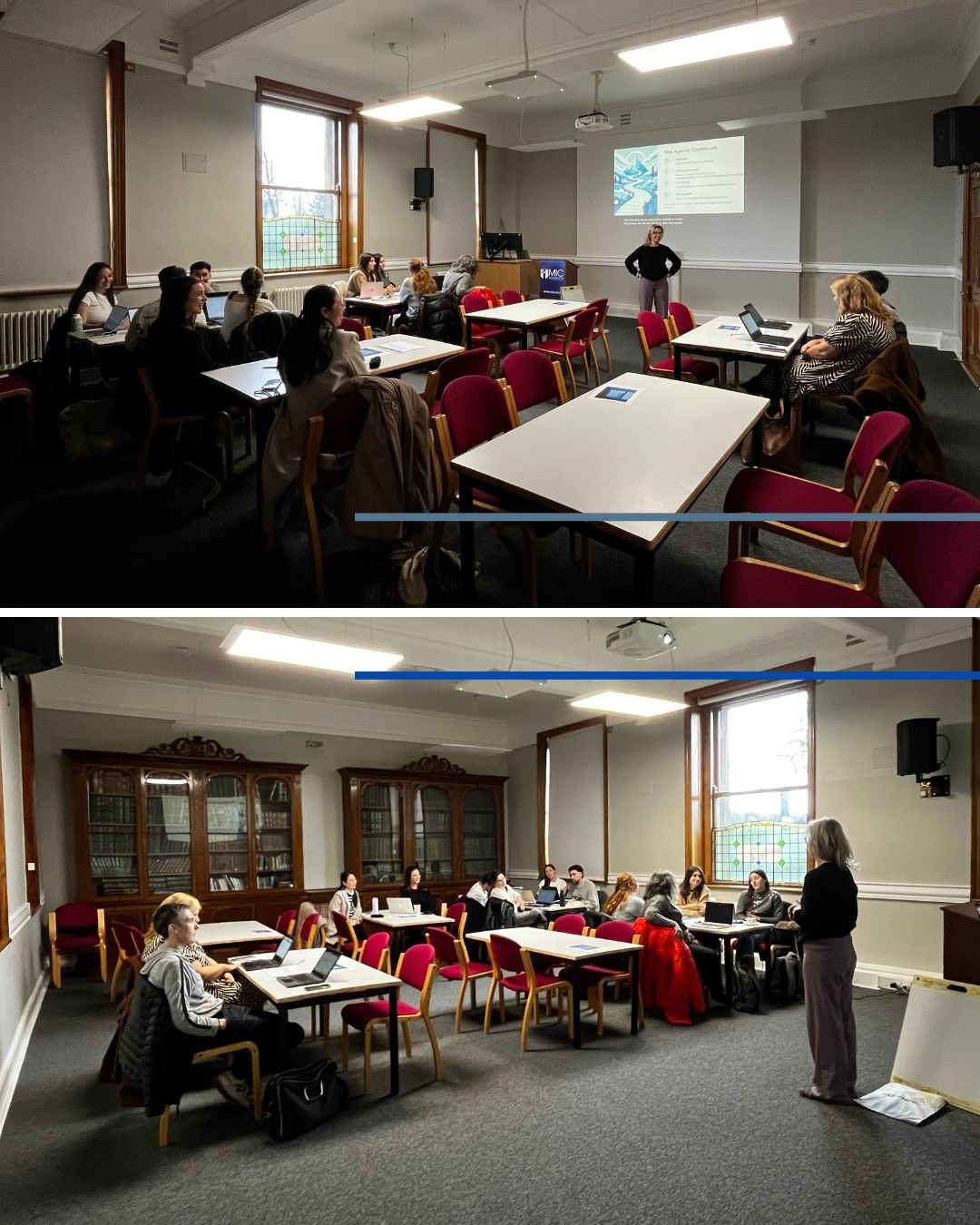
The core learning activities took place on the second day through parallel workshops delivered by the project partners. Teachers examined real case studies, participated in practice-based learning, and collaborated in international groups to co-design solutions addressing authentic educational challenges.
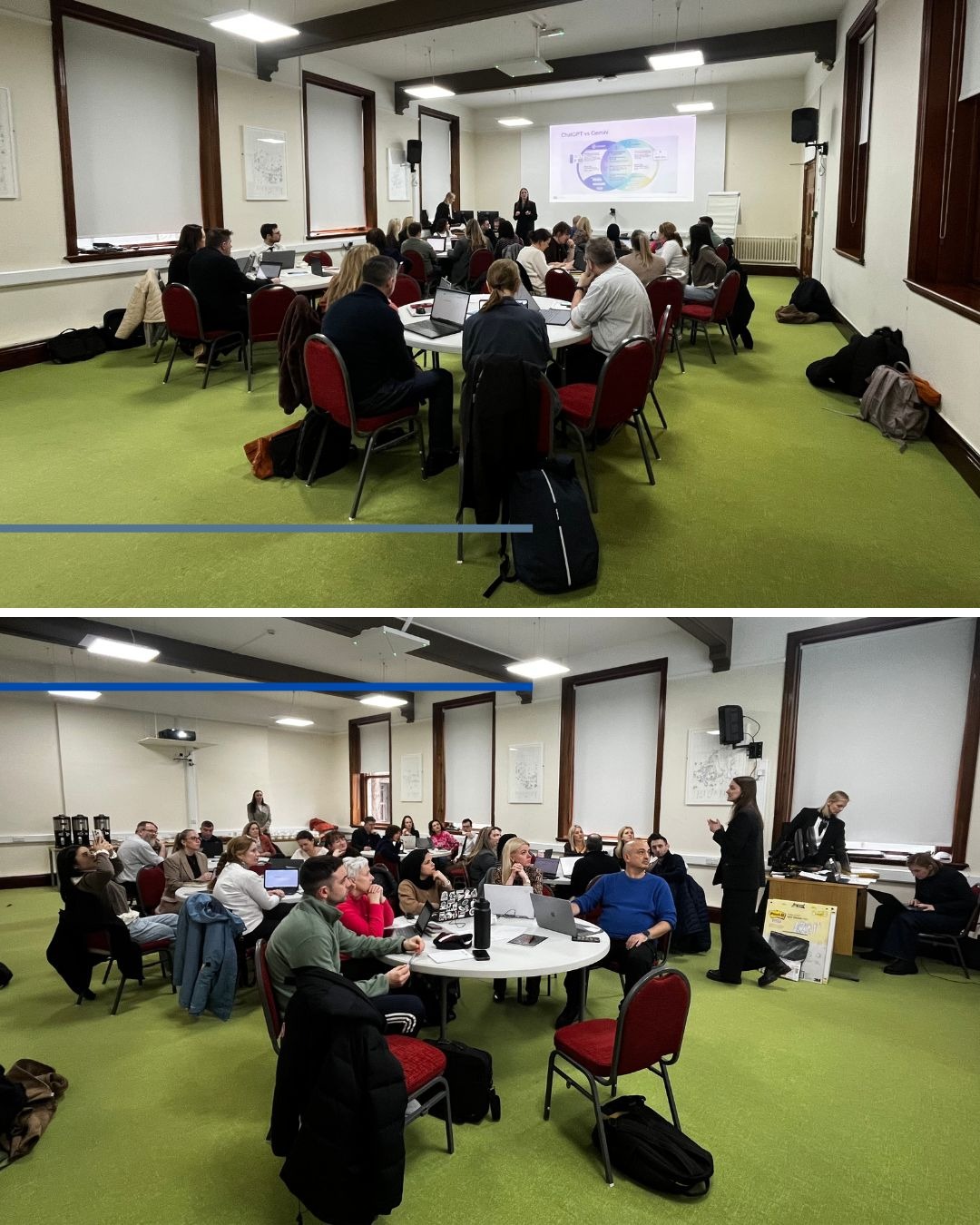
Key themes addressed during the programme included:
- Case studies and examples of using technology (including AI) to support self - regulated learning
- Using technology (including AI) to support self and peer assessment for self-regulated learning.
- Creating chatbots to modify and share Digital Learning Resources
A central focus of the programme was the co-design of technology-enhanced approaches to learner independence and digital resource innovation. One strand concentrated on using digital tools to develop whole-school strategies for fostering independent, self-regulated learners, examining the attributes students should demonstrate on leaving school and how these competencies can be progressively developed across age and class levels. Participants explored the role of self and peer assessment in supporting independence, effective scaffolding strategies, and the complementary roles of teachers, learners, and technology in this process. Particular emphasis was placed on how digital technologies can support teachers in scaffolding self-regulated learning and how students can leverage technology to manage, reflect on, and take ownership of their own learning.
A second strand focused on the design of educational chatbots to support the creation, modification, and sharing of digital learning resources. Participants examined the pedagogical value of chatbots in education, principles of high-quality prompt design, and practical considerations for real-world classroom use. Working collaboratively, teachers designed purpose-driven chatbot prototypes to support a range of educational functions, including learning assistance for students, lesson planning and assessment for teachers, differentiated feedback, student self-reflection, and effective communication with parents. This work highlighted the potential of chatbots as practical assistants in both teachers’ and students’ daily practice.
On the final day, participants visited local schools to observe digital teaching and learning practices in action. These school visits provided valuable insights into classroom implementation and supported professional dialogue around collaborative learning and continuous professional development.
Strengthening European Teacher Leadership
Through this study visit, the IDEAL Futures Teacher Academy strengthened cross-border collaboration and supported teachers in developing practical, transferable strategies for leading digital innovation in education. Also this study visit is part of the digital hub piloting – this hub is part of the project results and will host learning content designed to support teachers in developing digital skills.
Looking Ahead: Final Study Visit in Latvia
The IDEAL Futures Teacher Academy will conclude with a final international study visit in 2026, hosted by the University of Latvia. This visit will bring together teachers from all partner countries for an intensive two-day hackathon in Latvia, focused on collaborative innovation, digital pedagogy, and the future of teaching and learning in Europe.
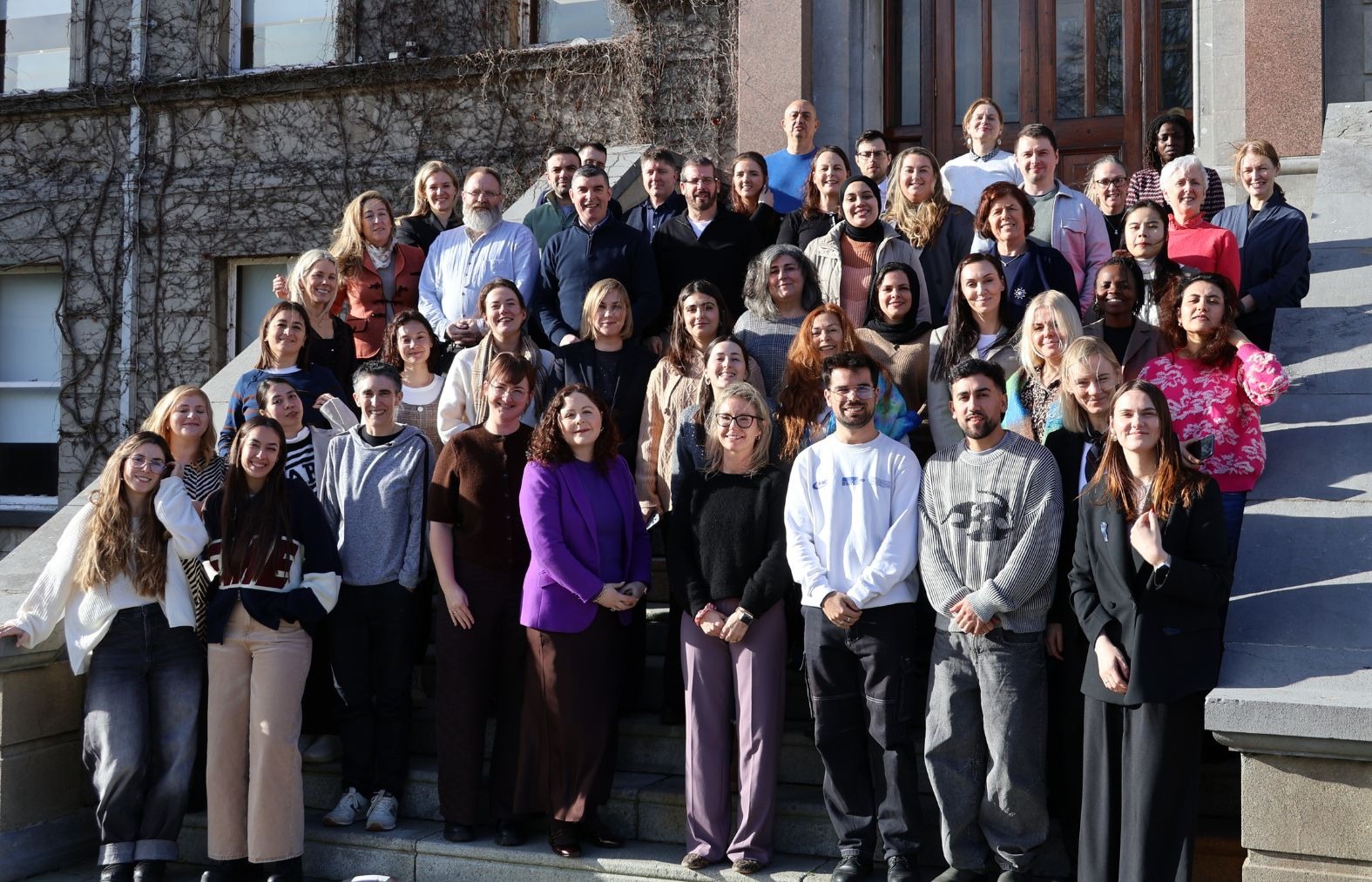
Partners involved in the project: The project involves six partners from five different European Leading partner from the project is Mary Inmaculate College (Ireland). Other project partners: Universidad Autónoma de Madrid and Fundación Siglo22 from Spain, Limerick and Clare Education and Training Board from Ireland, University of Patras from Greece, and University of Latvia.